






Ansel Adams was an American photographer known for his black and white landscape photographs of the American West. His images of Yosemite, the Sierra Nevada and the national parks are among the most recognisable photographs ever made, and he is widely regarded as one of the most influential photographers in history. His importance goes beyond the pictures themselves: he changed how photographers think about exposure and printing, and he helped establish photography as a fine art.
Early Life
Adams was born in 1902 in San Francisco, California, and grew up in the dunes near the Golden Gate. As a boy he was restless at school and was largely educated at home. His first passion was music, and for years he trained seriously as a pianist with the intention of making it his career.
A family trip to Yosemite National Park in 1916 changed his direction. He was given a simple box camera, began photographing the valley, and returned to Yosemite year after year for the rest of his life. He joined the Sierra Club as a young man, and the mountains of California became both his subject and his cause.
From Music to Photography
During the 1920s Adams gradually gave up the piano for the camera. One of his early key works, “Monolith, the Face of Half Dome”, made in 1927, is often described as a turning point. Using a dark red filter, he made the sky almost black to match the way the scene felt to him rather than the way it literally looked. He later called this approach visualization: deciding how the final print should look before releasing the shutter.
Group f/64 and Straight Photography
In 1932 Adams joined other West Coast photographers, including Edward Weston and Imogen Cunningham, to form Group f/64. The name refers to a very small lens aperture that gives great depth of field. The group promoted “straight” photography: sharp focus, rich detail and prints that looked like photographs, in contrast to the soft-focus, painting-like pictorial style that was then fashionable.
The Zone System
Adams’s best-known technical contribution is the Zone System, which he developed with Fred Archer. It divides the tones of a scene into a scale of zones from pure black to pure white, and gives the photographer a method for deciding exposure and development so that each part of the subject falls on the intended tone in the print. The Zone System was created for black and white sheet film, but its central idea, placing your tones deliberately instead of trusting an average meter reading, is just as useful with a digital camera and a histogram.
He shared his knowledge generously. His technical books “The Camera”, “The Negative” and “The Print” have been studied by generations of photographers.
Famous Photographs
- “Monolith, the Face of Half Dome” (1927)
- “Clearing Winter Storm”, a view of Yosemite Valley
- “Moonrise, Hernandez, New Mexico” (1941), probably his most famous single image
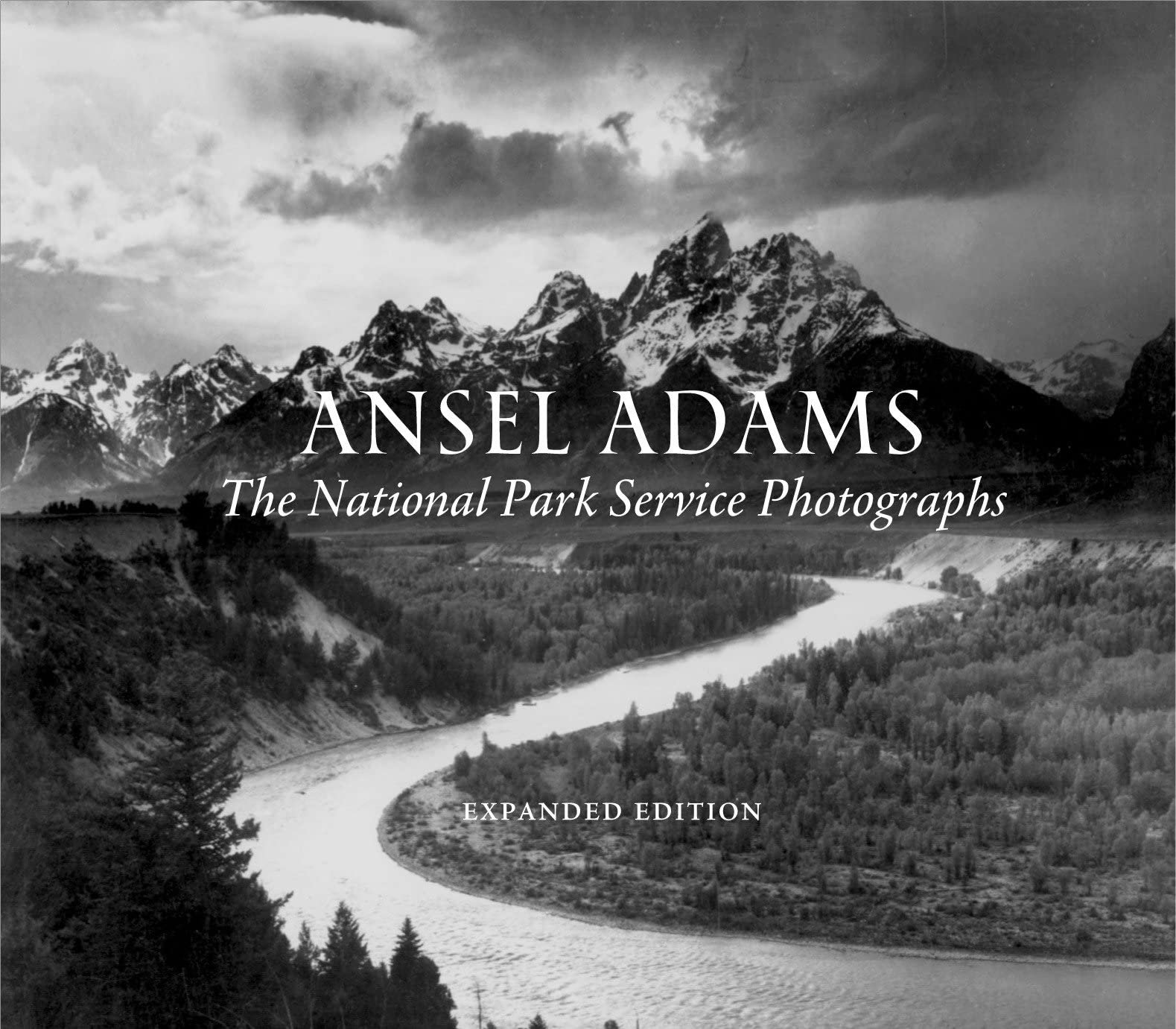
- “The Tetons and the Snake River” (1942)
Conservation and Advocacy
Adams was a lifelong conservationist. He served on the board of directors of the Sierra Club for decades and used his photographs to argue for the protection of wilderness and the national parks. His images showed many Americans landscapes they had never seen, and they became powerful tools for the environmental movement.
Promoting Photography as Art
Adams also worked to give photography a place among the fine arts. He helped establish the department of photography at the Museum of Modern Art in New York, and he was one of the founders of the photography magazine Aperture. Through teaching, workshops and writing he encouraged a serious, craft-based approach to the medium.
Recognition and Legacy
Throughout his career, Adams received many awards for his work, including the Presidential Medal of Freedom, the highest civilian award in the United States, which he received in 1980. He died in 1984. His photographs are held in major museum collections and continue to be exhibited around the world.
What Photographers Can Learn From Ansel Adams
- Decide what you want the final image to look like before you take it.
- Learn exposure thoroughly, so that technique supports your vision instead of limiting it.
- Treat editing and printing as part of the creative process, not an afterthought.
- Return to the same places again and again. Familiarity leads to better pictures.
- Use your photographs for something you care about.